How to Use a Photo Booth as a Guerrilla Marketing and UGC Tool in 2026

A photo booth works as guerrilla marketing because it does the one thing a flyer or a sticker can't: it gets a stranger to hand over their photo, their phone number, and their social feed in exchange for something they actually want to keep. Esteem has run this exact play for brands like Tory Burch, and the numbers below show what a single well placed pop-up can do.
What Makes a Photo Booth an Effective Guerrilla Marketing Tool?
It turns a passerby into a participant instead of a viewer. A branded sign gets glanced at and forgotten. A branded booth gets someone to stop walking, hand you their face, and post the result themselves. That's the whole appeal of guerrilla marketing in general, low cost tactics that get people to do the promotion for you, and a photo booth is one of the few tactics that produces a physical keepsake and a piece of content in the same sixty seconds.
How Does a Photo Booth Generate User Generated Content?
Every guest who steps in front of the camera becomes a source of content you didn't have to shoot yourself. They post the photo. They tag the location. They text it to friends who weren't there. A well designed backdrop and a branded print border do more free content marketing in one afternoon than most brands get from a week of scheduled posts, because the person sharing it isn't an employee, they're a genuine guest who wanted a keepsake enough to pose for it.
What Happened When Esteem Ran a Pop-Up for Tory Burch?
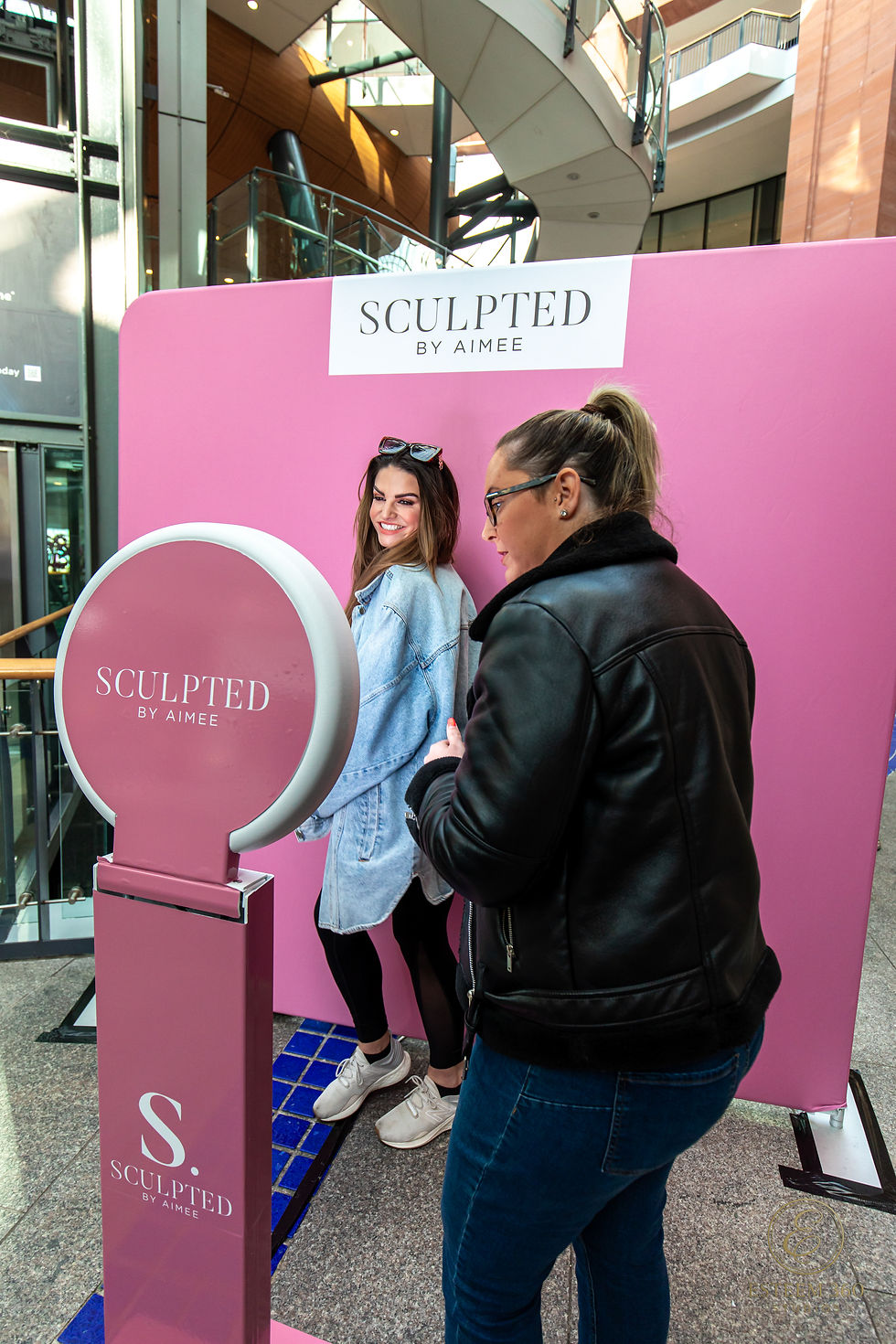
Esteem set up a branded keychain photo booth activation for Tory Burch and the results made the case on their own. The booth logged 950 total sessions over the course of the event, printed more than 1,500 branded keychains, and collected 870 phone numbers directly at the point of the photo. The content produced from the activation reached over 180,000 impressions once guests started sharing their keychains and photos across their own social feeds.
Those numbers come from one location, one setup, and no paid media behind the impressions. The 870 phone numbers are the part most guerrilla marketing case studies skip entirely, since a sticker campaign or a flash mob has no way to walk away with contact information. A booth does.
How Do You Turn One Pop-Up Into a Multi-City Campaign?
Run the same branded setup in three to five cities over a few weeks instead of parking it in one spot for a single day. Each stop becomes its own piece of content, a "next stop" post ahead of the move, an on-site recap after. Guests in city two see the photos from city one and want their own version, which builds anticipation the way a tour does for a band instead of a one-off event feeling isolated. The Tory Burch numbers above came from a single activation. A tour multiplies every one of those figures by however many cities you run.
Who Can Actually Run This Across Multiple Cities?
Esteem can. The Tory Burch activation ran out of their Miami home base, but the same modular setup travels. Esteem runs photo booth activations nationwide, with a logistics team that handles shipping, setup, and on-site support in every market, not just South Florida. That's the part a lot of brands miss when they plan a multi-city stunt: the booth is easy, coordinating five cities with the same level of quality is where most vendors fall apart.
What Should You Capture Beyond the Photo?
The photo is what gets someone to stop. The data is what makes the stop worth paying for. A phone number collected at checkout, a keychain add-on that requires an email to unlock, a QR code on the printed card that links to a signup, all of these turn a guerrilla stunt into a list you can market to after the event ends. The Tory Burch activation collected 870 numbers this way, which is 870 people who can be retargeted long after the booth packed up and left.
What Are Other Ways to Use a Booth for Guerrilla Marketing?
Tactic | What it does |
Ambush a nearby event you didn't sponsor | Borrows foot traffic from a concert, marathon, or convention without paying for a booth inside it |
Run it unbranded at first | Guests discover the sponsor only after they've already posted, which reads as a surprise instead of an ad |
Add a scavenger hunt clue | Makes the booth the payoff at the end of a hunt instead of a standalone stop |
Seed a few local creators before the public opening | Produces a first wave of organic content before the general crowd arrives |
Put a hashtag on the printed card | Gives you a way to track spread after the fact instead of guessing at reach |
Add a QR code tied to a discount or signup | Turns the physical keepsake into a bridge to a digital action |
How Do You Measure Whether a Pop-Up Actually Worked?
Track sessions, unique items produced, phone numbers or emails collected, and total impressions from shared content, the same four numbers behind the Tory Burch results. Sessions tell you how many people engaged. Items produced tell you how many keepsakes are now walking around a city with your branding on them. Phone numbers tell you how many people you can follow up with directly. Impressions tell you how far the content traveled once it left your hands. Any one of those numbers alone is a nice stat. All four together is a case for doing it again.


Comments